
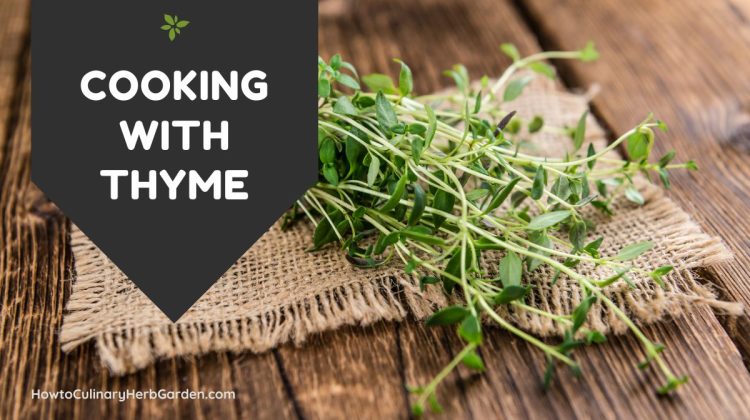
Hopefully, we have all read the article on growing your own thyme. Even if you haven’t, don’t worry; we can still use the fresh thyme you picked up from the grocery store, or even if all you have is the dry form in your spice rack. The important thing is that you have decided to include this king of herbs into your culinary process.
If you have the fortune to have access to fresh thyme, then you will certainly see the major difference between using fresh and dry.
Fresh thyme is so much more fragrant and tasty before it’s dried. One of the great things about using this savory herb is its vast versatility. Thyme can be used in recipes that are cooked, or it can be used in fresh dishes and eaten raw.
In addition to using thyme in your meal preparations, it is also a great herb to add to cheeses or made into a delicious tea.
Thyme brings a delicacy in flavor not easily achieved with any other herb.
Here are just a few of the foods Thyme elevates to a whole new level:
- Eggs
- Tomatoes
- Garden salads
- Poultry
- Pork
- Seafood
- Beef
- Lentils
These are only a few of the foods that the fragrance of thyme elevates. There are countless other foods in which you can include this fine herb; it just depends on how much you love it.
The Best Ways to Cook with Thyme
The best way to use thyme is to first decide if you will be using fresh thyme or if your only option is to use the dried thyme.
If all you have to use is dry time, then follow the same steps. The flavor won’t be quite the same, but you only need to use half the amounts. Herbs tend to increase their potency when dried.
Using Fresh Thyme
If you’re lucky enough to have this wonderful herb fresh, you will love the flavor it gives to your dish. The easiest way to describe using it is to cover a few dishes that are common to all of us.
Soups or Stews
When making a soup or stew, you can just add the thyme stalks and all. Make sure you have given it a good wash first.
By using the stalks along with the leaves, you will increase the flavor of the thyme and can cook it throughout the entire cooking process. The one drawback of using the stalks is that you will have to go through and take them out once your dish is finished, as the thyme stalks themselves are not very edible.
If you have the time and patience, you can strip the delicate leaves from the stalks before adding them to your dish.
If you have taken the time to strip off the leaves, then you will want to add the thyme near the end of your cooking process. This will ensure maximum flavor.
Eggs
Probably one of the best additions to your eggs that there is. When using thyme for your egg dish, you will want to use only the delicate leaves.
Just throw in a few pinches when you start to prepare your omelet, or just throw some fresh leaves right on top of your fried eggs when they are done.
Tomatoes
Don’t have time or can’t be bothered making a full green salad? Slice up some tomatoes and throw on a few pinches of thyme leaves. You can replace that big green salad on those lazy days, but not miss a thing.
Salads
For your salads, you will have to strip off the tender thyme leaves and then add them fresh to whichever salad you are creating. Thyme is probably the most flavorful herb to add to any fresh salad. It truly elevates your salads to a whole new level.
The other great way to use thyme in your salad is to strip the leaves and add them to your salad dressing. Use whatever amount you need to reach that level of taste you are looking for.
Fresh thyme leaves with olive oil and lemon make an absolutely delicious and healthy dressing for any leafy salad.
Poultry and Pork
With these two meats, you can use thyme in a blend with other delicious herbs or just on its own.
You might want to just throw a handful of thyme stalks and all, on top of your meat or beside it in the pan. Either way, the flavor will make its way into your protein.
- If you are frying up a few pork chop loins or chicken pieces, add your thyme to the onions when you start to fry them, before adding your protein.
- Thyme with brown sugar, salt and pepper, allspice, soya sauce, and some chili, fresh or flaked, will give you a great Caribbean flavor.
- Great with chicken, pork, or fish. Salt, pepper, onion, and fresh thyme are all you really need to make a simple yet delicious protein dish.
- You can use fresh thyme with these proteins right at the start of the cooking process. If you want that extra blast of flavor, add a pinch of the fresh leaves once the cooking is done.
Seafood
Since seafood tends to cook quite quickly, the best way to incorporate the savory flavor of thyme is to first marinate it with thyme.
You can use only thyme if you love the flavor alone or incorporate it into your favorite marinade.
Thyme, mixed with salt, pepper, and mayonnaise, makes a delicious marinade for salmon.
Try adding a generous handful of thyme to your white wine marinade for steaming muscles.
Thyme is generally one of the most complementary herbs when it comes to seafood. Whatever seafood you decide to prepare, be sure to include thyme, and you will not be disappointed.
Beef
Generally speaking, most chefs don’t use thyme that often in beef recipes. The exception of stews and steak. When you add thyme into your baste for a pan-fried steak, the result is heavenly.
For a delicious pan-fried steak, simply add the thyme to melted butter in the same pan you are cooking your steak in, and baste it over the steak throughout the cooking process. The result is amazing!
When cooking up a stew, add the thyme with stalks included right at the beginning when searing the meat. Once your stew is almost ready, add a handful of thyme leaves for a beautiful, savory flavor.
Lentils
When cooking up a delicious chili with lentils or any legume, thyme is the natural herb to go to for flavor. Make sure to add liberal amounts of this savory herb throughout the cooking process. Legumes tend to absorb the taste beautifully, but it takes a bit more.
If you are using dried lentils or beans, soak them overnight and throw a handful of thyme in the water. When you are ready to start to boil your lentils or beans, just add the water you soaked them in, thyme, and all.
Ready to Get Cooking with Thyme?
The best thing about thyme is the gorgeous, savory but mild flavor. This allows you to use it in almost any savory recipe, regardless of the meat or even if there is no meat.
Thyme is a great addition to any vegetarian or vegan recipe. If you have a taste for thyme, then you will know you can never put too much in.
If you haven’t cooked with thyme before, now is the perfect time to start. How can you go wrong when something tastes so delicious and is so good for you.
I hope this article helps you to enjoy your time cooking with thyme.