
In this guide, you’ll learn how to grow herbs indoors successfully, including the best herbs to choose, what you need to get started, and simple steps to keep your plants healthy. You’ll also find helpful tips and links to more detailed guides so you can build your indoor herb garden with confidence.
Growing herbs indoors is one of the easiest ways to enjoy fresh flavor all year long. Whether you have a sunny windowsill or a small kitchen counter, many herbs thrive inside with the right setup.
Why Grow Herbs Indoors?
Growing herbs indoors makes it easy to have fresh ingredients on hand whenever you need them. Instead of buying herbs at the store, you can snip what you need right from your own plants.
Indoor herb gardening is also convenient and beginner friendly. You don’t need a large outdoor space, and many herbs grow well in small containers. With the right light and care, you can keep herbs growing year-round, even during colder months.
Best Herbs to Grow Indoors
Not all herbs grow equally well indoors, so choosing the right ones can make a big difference. Some herbs are especially easy to grow and adapt well to indoor conditions.
Easy Herbs for Beginners
If you’re just getting started, choose herbs that grow quickly and are easy to maintain.
Popular beginner-friendly herbs include:
- Basil
- Mint
- Parsley
- Chives
- Cilantro
These herbs grow well in containers and are commonly used in everyday cooking, making them a great place to start.
If you want a few more easy options, this list of 10 culinary herbs to grow indoors is a great place to start.
Low Light Herbs
If your space doesn’t get a lot of sunlight, you can still grow herbs successfully by choosing varieties that tolerate lower light conditions.
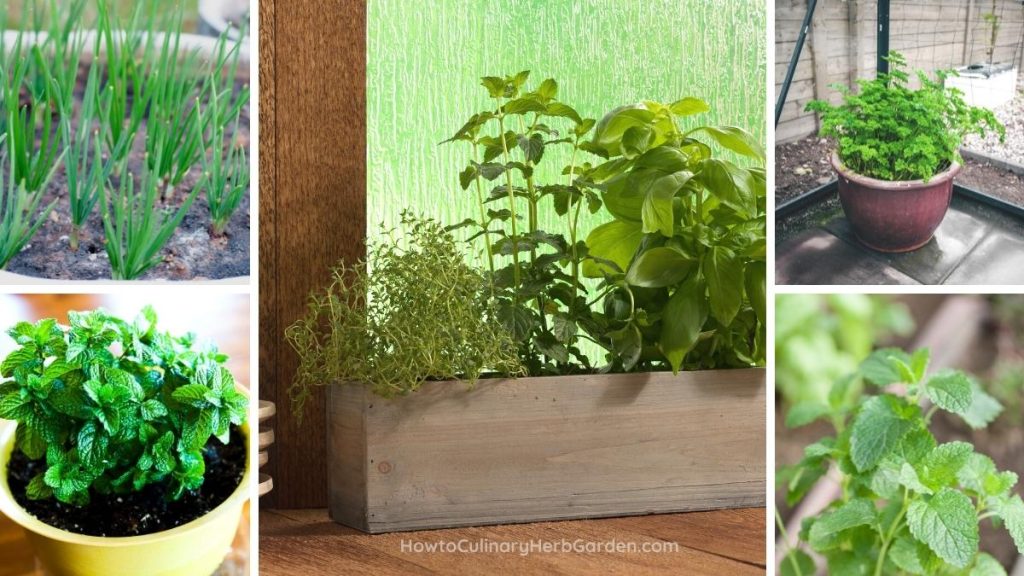
Good low-light options include:
- Mint
- Parsley
- Chives
- Lemon balm
These herbs can grow in indirect light, making them ideal for kitchens or rooms without strong sunlight. To learn more about each herb and the best growing conditions for each, read our detailed article on 5 Low Light Herbs to Grow in Your Kitchen.
What You Need to Grow Herbs Indoors
Growing herbs indoors doesn’t require a lot of equipment, but a few basics will make a big difference. With the right light, containers, and setup, your herbs will be much easier to maintain.
Light Requirements
Light is the most important factor for indoor herb growth. Most herbs need at least 6–8 hours of bright light each day to grow well.
A sunny windowsill is often enough, especially if it faces south or west. If your space doesn’t get enough natural light, you can use grow lights to give your plants the light they need.

Containers and Setup
Herbs grow well in small containers as long as they have proper drainage. Pots with drainage holes help prevent water from sitting at the bottom, which can lead to root problems.
You can grow herbs in individual pots, window boxes, or compact systems designed for indoor gardening. Choose a setup that fits your space and makes it easy to access your plants for regular care.
If you’re working with limited space, a windowsill setup can be a simple place to start. You can see how to set one up in this guide to making a windowsill herb garden.
Countertop systems are another easy option, especially for beginners. This guide to countertop herb gardens walks through a few simple setups.
Soil and Seed Starting
Using the right soil helps herbs grow strong roots and stay healthy. A light, well-draining potting mix works best for most indoor herbs.
If you’re starting from seed, using proper trays and containers can make the process easier. This gives your herbs a strong start before moving them into their final pots. This guide to seed starting supplies covers the trays, pots, and tools that help herbs get off to a strong start.
How to Grow Herbs Indoors (Step-by-Step)
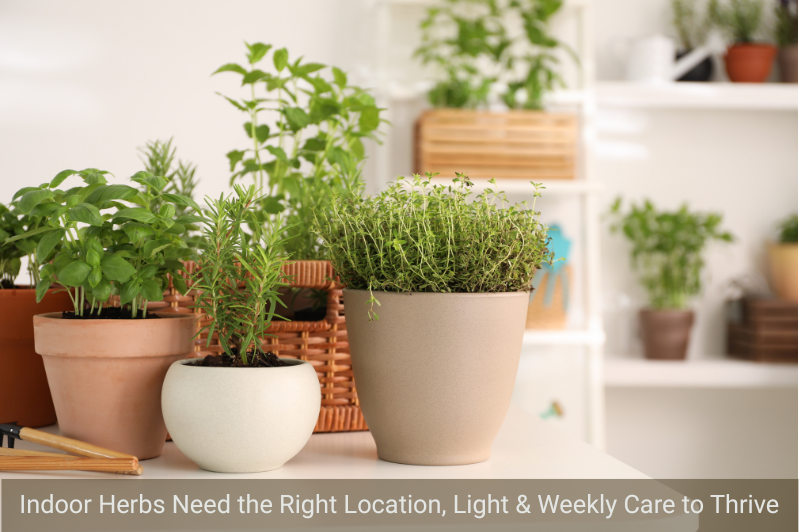
Growing herbs indoors is simple when you break it down into a few basic steps. Once your setup is in place, most herbs only need regular light, water, and occasional trimming to stay healthy.
Choosing the Right Location
Start by placing your herbs in a spot that gets plenty of light. A bright windowsill is ideal, especially one that receives several hours of sunlight each day.
Planting Your Herbs
If natural light is limited, you can supplement with a grow light to keep your herbs growing strong. The goal is to give your plants consistent, steady light throughout the day.
You can grow herbs from seeds, starter plants, or small transplants. For beginners, starting with small plants is often the easiest option, while seeds give you more variety and control.
Plant your herbs in containers with good drainage and use a quality potting mix. Make sure the roots have enough space to grow, and avoid overcrowding multiple plants in one pot.
If you’d like to start from seed, this guide on how to grow basil from seed indoors walks through the process step by step.

Basic Care Routine
Indoor herbs need a simple care routine to stay healthy. Most herbs prefer soil that is slightly moist but not overly wet.
Water when the top layer of soil feels dry, and make sure excess water can drain out of the pot. Regular trimming also helps herbs grow fuller and prevents them from becoming leggy.
If you’re just getting started, these tips for a successful indoor herb garden cover the basics of light, watering, and setup.
For a more hands-on example, this demonstration on how to prune basil indoors shows how regular trimming helps herbs grow fuller.
Indoor Growing Methods
There are several ways to grow herbs indoors, depending on your space, budget, and how hands-on you want to be. Some methods are simple and low-cost, while others use systems that make growing even easier.
Windowsill Gardening
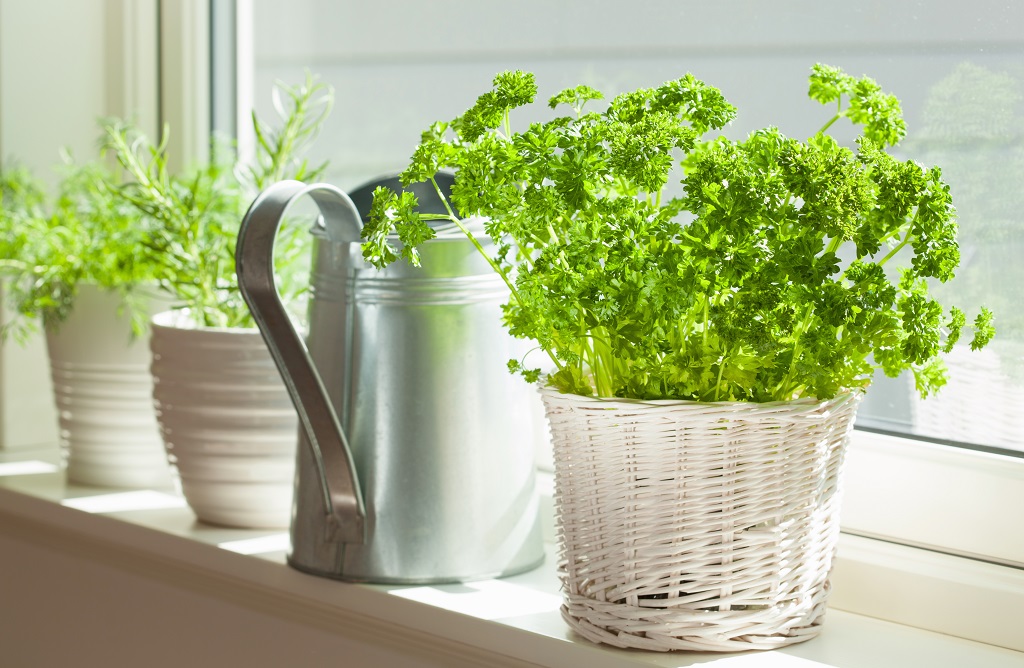
One of the easiest ways to grow herbs indoors is on a sunny windowsill. This method works well for beginners and requires very little setup.
Place your herbs where they can get several hours of sunlight each day, and rotate the pots occasionally so they grow evenly. With proper light and watering, many herbs thrive in this simple setup.
Hydroponic Systems
Hydroponic systems grow herbs without soil by using water and nutrients. These systems can speed up growth and make it easier to maintain consistent conditions.
They are especially useful if you don’t have strong natural light, as many systems include built-in lighting. Hydroponic kits are a convenient option for beginners who want a more controlled growing environment. Want a little help getting started? See our step-by-step guide on How To Use the Click and Grow Experimental Grow Anything Pods.
Indoor Herb Kits
Indoor herb kits are designed to simplify the growing process. Many include containers, soil pods, and built-in lighting, making them a good choice for beginners.
These kits require minimal setup and are often used on kitchen counters or small spaces. They’re also a great option if you want a low-maintenance way to grow herbs indoors. For the most popular setups – see out 5 Favorite Indoor Herb Kits.
Mini Greenhouses
Mini greenhouses create a controlled environment that helps herbs grow more consistently. They are especially helpful for starting seeds or maintaining humidity.
This method works well if you want more control over temperature and moisture, especially in cooler climates or during the winter months. If you’re considering this setup, this guide on growing herbs in a mini greenhouse walks through how to get started.
If you’re comparing options, this overview of different types of greenhouses can help you choose the best setup for your space.
Common Indoor Herb Growing Problems
Even with the right setup, indoor herbs can run into a few common issues. Most problems are easy to fix once you know what to look for.
Leggy Growth
If your herbs are growing tall and thin with weak stems, they are likely not getting enough light. This is one of the most common indoor growing issues.
To fix this, move your herbs to a brighter location or add a grow light. Regular pruning can also help encourage fuller, bushier growth.
Yellow Leaves
Yellow leaves are often a sign of overwatering or poor drainage. When roots sit in too much water, they can’t absorb nutrients properly.
Let the soil dry slightly between watering and make sure your containers have drainage holes. Adjusting your watering routine usually solves this problem quickly.
Slow or Stunted Growth
If your herbs aren’t growing as expected, the cause is often low light, poor soil, or lack of nutrients.
Make sure your plants are getting enough light each day and consider refreshing the soil if needed. Repotting can also help if the roots are crowded.
Browning or Dry Leaves
Brown or crispy leaves can be caused by underwatering, too much heat, or low humidity. Indoor environments can dry out plants more quickly than expected.
Water consistently and avoid placing herbs too close to heat sources. Increasing humidity slightly can also help in drier environments.
Tips for Success
Growing herbs indoors becomes easier with a consistent routine. Small adjustments to light, watering, and care can make a big difference over time.
To keep your herbs healthy:
- Check soil moisture regularly.
- Give plants enough light each day.
- Trim herbs often to encourage growth.
- Avoid overcrowding containers.
With a little attention and the right setup, indoor herbs can thrive year-round and provide a steady supply of fresh flavor.
Conclusion
Growing herbs indoors is a simple and rewarding way to bring fresh ingredients into your home. With the right setup and a basic care routine, even beginners can grow healthy, productive plants.
Start with a few easy herbs, build your setup over time, and adjust as you learn what works best in your space. With consistent care, your indoor herb garden can grow into a reliable source of fresh herbs all year long.